Body Contouring Farmington Hills: Understanding Consultation Essentials

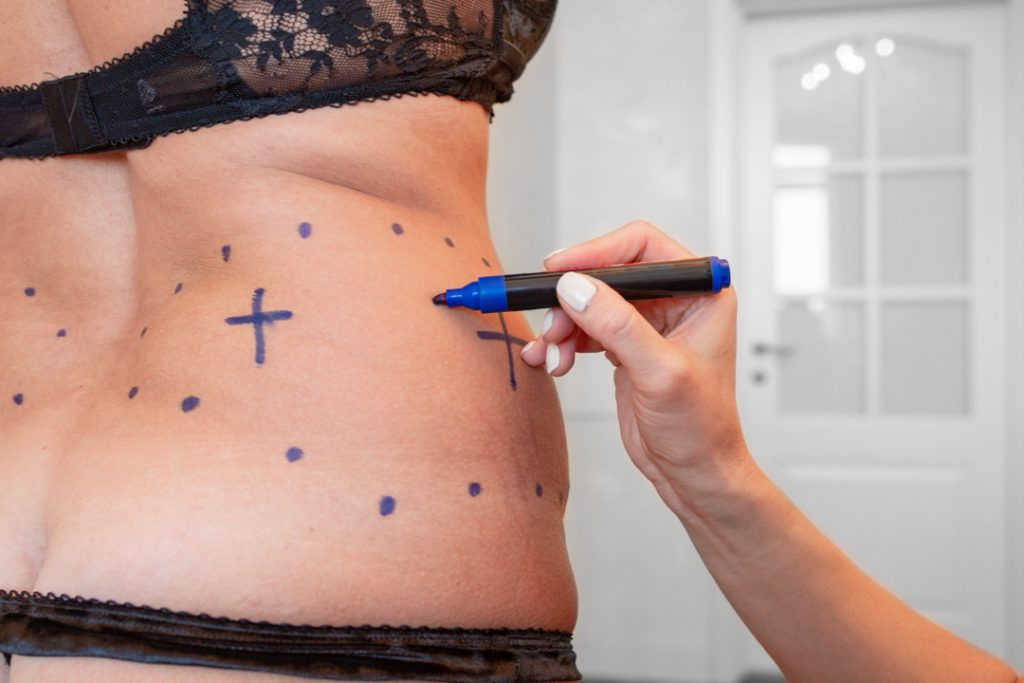

Body contouring is one of those categories in aesthetic medicine that sounds simple from the outside and becomes much more nuanced the moment a real consultation begins. Most people arrive thinking in broad terms. They want to slim the waist, smooth the abdomen, reduce fullness under the chin, tighten skin after weight loss, or address an area that has resisted exercise for years. Those are valid goals, but the consultation is where those general hopes turn into an actual treatment plan, or, just as important, where a patient learns that a different path would serve them better.
That distinction matters. The right consultation does not feel like a sales pitch. It feels like a thoughtful evaluation of anatomy, skin quality, body composition, medical history, timing, downtime tolerance, and expectations. In a place like Farmington Hills, where patients often balance work, family, social obligations, and fitness goals, practical planning becomes part of the decision. The best outcomes usually begin with a conversation that is more detailed than many people expect.
When people search for Body Contouring Farmington Hills, they are often looking for options, prices, and before-and-after images. Those things have their place, but none of them replaces a careful consultation. Images do not show tissue elasticity. Pricing does not explain how many sessions may be required. An online description of a treatment cannot tell you whether the issue is excess fat, loose skin, muscle separation, or some combination of all three.
What body contouring actually includes
Body contouring is not one single treatment. It is an umbrella term that may include noninvasive fat reduction, skin tightening, muscle toning technologies, liposuction, or combination plans designed around a specific area. The abdomen alone can have several very different needs. One patient may have a small pocket of subcutaneous fat and strong skin recoil, making them a reasonable candidate for a noninvasive approach. Another may have skin laxity after pregnancy or major weight loss, where tightening or surgery may be more appropriate. A third may have bloating, posture issues, or abdominal wall changes that no contouring device will meaningfully fix.
That is why a consultation should start with diagnosis, not treatment selection. If a provider jumps straight to a machine or package without clarifying what they are treating, that is a warning sign. Good body contouring depends on matching the method to the tissue problem.
In practice, patients are often surprised by how specific that analysis gets. The clinician may pinch the tissue, assess thickness, look at where fat is distributed, observe how the skin behaves when standing versus lying down, and ask about weight stability over the last six to twelve months. They may also discuss prior surgeries, scars, hernias, stretch marks, or a history of keloid formation. None of that is trivial. Small details can affect safety, recovery, and visible results.
Why consultation quality matters more than marketing
A polished website can make every technology look universally effective. Real treatment planning is less glamorous. It involves trade-offs. One option may have less downtime but more modest change. Another may produce a stronger result but require compression garments, bruising, swelling, and time off from strenuous activity. Some treatments are better for spot reduction. Others are better for texture or tightening. Some patients are technically candidates for more than one route, which means the decision comes down to budget, schedule, tolerance for recovery, and how dramatic a change they expect.
I have seen patients become frustrated not because a treatment failed, but because the consultation framed it poorly. If someone expects a noninvasive session to deliver a surgical transformation, disappointment is almost guaranteed. On the other hand, when a provider explains that a treatment might reduce fullness by a noticeable but moderate amount over a period of weeks or months, the patient has a fair basis for deciding.
This is especially important in body contouring because change can be incremental. Swelling may obscure early results. Final improvements may take time to declare themselves. Weight fluctuations after treatment can also blur what was achieved. A sound consultation accounts for all of this upfront.
The first question: are you a candidate at all?
Many people assume the consultation begins with choosing a treatment area. Usually, the more important first step is determining candidacy. Body contouring is generally best for people who are close to a stable, maintainable weight and want to address localized concerns. It is not a substitute for broad weight-loss management, and reputable providers will say so plainly.
A patient who has recently lost 40 or 50 pounds may still be an excellent candidate, but not necessarily right away. Their body may still be changing. Their skin may need time to settle. They may also benefit from waiting until their weight stabilizes before making contouring decisions. The same logic applies to someone planning pregnancy, someone who has just started a new fitness program, or someone using medications that may significantly affect body weight in the coming months.
Body mass index is only one piece of the picture, and it is not perfect, but overall body composition still matters. A small lower-abdominal pouch on an otherwise stable frame is a different consult than diffuse adiposity across the trunk. Skin quality is equally important. Younger skin often recoils more predictably, though age is not the only factor. Sun exposure, genetics, smoking history, pregnancy, major weight changes, and connective tissue quality all influence what can realistically be achieved.
What a thorough consultation should cover
A strong consultation is both medical and practical. It should cover the target area, but it should also uncover the conditions around the treatment. A patient who sits at a desk all day may need different recovery planning than someone whose job involves lifting. A marathon runner may care deeply about how soon they can resume training. A parent with young children may need to know whether soreness will affect everyday tasks.
The provider should ask when the concern began, whether it has changed over time, and what the patient has already tried. That history can be surprisingly useful. Someone who says, “My weight is stable, but this area has looked the same for ten years no matter what I do,” may indeed be describing a stubborn fat deposit. Someone else may say, “This only appeared after I had my second child,” which can open a discussion about skin laxity, muscle separation, or scar-related contour changes.
Medical history also matters more than people sometimes expect. Certain conditions can affect healing, bruising, fluid retention, or postoperative risk. Past surgeries can change anatomy. Medications and supplements, including common over-the-counter products, may increase bleeding or complicate recovery. Even a history of dramatic swelling after minor procedures can be relevant.
A useful consultation usually includes photographs for planning and progress tracking. Patients occasionally hesitate at this step, but photos help with honest comparison. Without them, people often forget their baseline. Because body contouring results can be subtle at first, objective images can prevent unnecessary disappointment or confusion.
The role of expectations, and why honesty helps
Expectation setting is where experienced providers often distinguish themselves. They know that many body concerns are not isolated. The patient who focuses on “belly fat” may also have loose skin, a high hip shelf, or asymmetry from one side to the other. The person bothered by upper arms may really be reacting to the combination of fullness and skin laxity. If only one part is treated, the result may still feel incomplete.
That does not mean every issue must be corrected at once. It means the patient deserves a realistic explanation of what one treatment can and cannot do. Sometimes the most professional answer is, “This option will help, but it will not create the shape you are imagining.” Patients respect candor when it is delivered with clarity and tact.
There is also the issue of proportionality. I have seen consultations where the patient fixates on a very small irregularity while overlooking the larger factors affecting their silhouette, such as posture, clothing fit, or generalized fluid retention. A skilled clinician does not dismiss the concern, but they do reframe it. The goal is not to invalidate what the patient sees. The goal is to help them spend time and money where the visual return is highest.
Questions that deserve direct answers
Patients do better when they ask specific questions rather than broad ones like “Does it work?” The consultation should leave room for practical detail, not vague reassurance.
- Am I treating fat, loose skin, weakened muscle tone, or a combination?
- What degree of change is realistic for my body type?
- How many sessions or stages do you expect I will need?
- What will recovery actually feel like in the first week?
- If this were your body, would you choose this option or a different one?
That last question can be particularly revealing. https://www.behance.net/ardwaterproof It invites judgment, not just information. A seasoned provider may say that a noninvasive route is reasonable if the patient prioritizes low downtime, but that surgery would produce a more dramatic endpoint. That kind of answer helps patients make decisions aligned with their lives, not just their ideal outcome.
Body contouring in the context of Farmington Hills patients
Local demographics often shape consultations in subtle ways. In Farmington Hills, many body contouring patients are professionals who want discretion and manageable downtime. They may be planning around work travel, business attire, social events, or school calendars. Some prefer noninvasive treatment because they cannot step away from daily responsibilities. Others have reached the point where they would rather undergo one stronger intervention than several milder sessions.
Seasonality can matter too. Patients frequently schedule consultations in late winter or early spring, hoping to see results by summer. That can work, but only if expectations fit the timeline. Some treatments show their best result gradually over two to three months, sometimes longer. Surgical contouring can require early planning because swelling and garment wear may continue well past the first few weeks. Waiting until just before a beach trip or a wedding often narrows the available options.
Privacy also matters to many suburban patients. They may prefer treatments that leave little visible evidence, or they may want procedures timed around remote work days. These considerations are not superficial. They are part of treatment planning. A technically appropriate treatment can still be the wrong choice if it does not fit the patient’s real life.
Preparing for the consultation so it is actually useful
Many consultations go off track because the patient arrives with a wish, but not with enough context. A little preparation makes the appointment more productive. Think less about rehearsing the “right” answer and more about being precise.
Bring a short mental history of your weight trend over the last year, whether the area has changed, and what bothers you most in clothing, photos, or movement. If you have undergone prior procedures, know roughly when they occurred. If there is a scar or previous liposuction in the area, mention it early. Those details can materially affect what is recommended.
It also helps to wear or bring clothing that exposes the treatment area easily without turning the visit into a logistical struggle. This sounds obvious, but it saves time and allows for a better exam. If modesty or privacy concerns are important, say so. Experienced practices handle this professionally, and comfort tends to improve communication.
- Know your current medications and supplements.
- Be ready to discuss weight stability honestly.
- Save a few reference photos that reflect your goal, not someone else’s anatomy.
- Mention any major event with a fixed date.
- Ask how results will be documented and measured.
Reference photos deserve a brief note. They can help communicate style of outcome, such as “more defined waist” or “smoother lower abdomen,” but they can also mislead if the body type is very different from your own. The most useful references are not aspirational extremes. They are examples that clarify shape preferences.
Understanding the physical exam
Patients sometimes underestimate how much information comes from the physical exam itself. A provider may assess pinch thickness, skin recoil, cellulite patterning, muscle tone, asymmetry, and how the contour changes with posture. For abdominal concerns, they may also look for signs of diastasis or hernia that warrant a different discussion altogether.
This is where online self-diagnosis often falls apart. Two people can both describe “stubborn belly fat,” but one is dealing primarily with skin laxity and the other with adipose fullness. The treatment path may differ completely. In some cases, the exam shows that the issue is modest enough that no procedure is truly necessary. Ethical providers are willing to say that.
A careful exam may also identify areas that should be treated together for a better visual result. For example, a flank reduction without addressing the adjacent upper hip area can leave a contour mismatch. Treating only the lower abdomen in a patient whose fullness wraps around the waist may produce less improvement than expected from the front view. Good planning respects the body as a continuous form, not a collection of isolated spots.
Cost conversations should be more sophisticated than a single quote
Price matters, and patients should feel comfortable discussing it directly. But body contouring costs can be misleading if reduced to one number. The cheapest quote is not always the least expensive path if it takes multiple rounds to approach the desired change. Likewise, a higher upfront cost may reflect anesthesia, facility fees, garments, postoperative care, or a more comprehensive plan.
The better question is not only “What does it cost?” but “What does that fee include, and what endpoint is it expected to produce?” If a treatment typically requires two or three sessions for the average candidate, that should be clear before anyone commits. If touch-ups are common, say so. If there is a chance the patient will still want surgery afterward, that should be part of the conversation.
Value in this setting comes from appropriate selection, transparent planning, and predictable follow-up. When patients feel blindsided by add-on expenses or hidden limitations, trust erodes quickly.
Red flags during a consultation
Not every consultation deserves a second appointment. A few patterns tend to predict trouble. One is pressure. If the discussion feels rushed toward same-day booking without enough attention to your anatomy or history, step back. Another is overpromising. Body contouring can produce meaningful change, but no ethical provider guarantees perfection.
Watch for vague language around recovery. “Minimal downtime” means different things to different people. For one person it means back to desk work tomorrow. For another it still means tenderness, swelling, altered sensation, and no gym for a period of time. Precision matters.
Another red flag is a one-size-fits-all recommendation. If every patient is somehow ideal for the same device or package, skepticism is healthy. Bodies vary too much for that to be credible. Finally, be cautious if no discussion occurs around maintenance. Contouring results can last well when weight is stable, but they are not immune to future changes.
What happens after the consultation
A good consultation usually ends with more clarity, even if the answer is “not yet.” You should understand the core problem, the available options, the likely level of improvement, the downtime involved, and the approximate cost structure. You should also know what next steps look like, whether that means photographs, labs, a second planning visit, or simply time to think.
Many patients benefit from taking a few days before scheduling. That pause is useful. It lets the information settle and gives you room to compare the recommendation against your actual priorities. Are you chasing the most dramatic result, the easiest recovery, the lowest cost, or the least disruption to daily life? There is no universal right answer, but there is usually a right answer for a particular person at a particular moment.
If you are exploring Body Contouring Farmington Hills options, keep your focus on consultation quality rather than branding alone. The provider’s judgment, honesty, and ability to match treatment to anatomy will shape your experience far more than a catchy treatment name. The best consultations are rarely flashy. They are careful, specific, and grounded in what your body can realistically do.
That is the real starting point. Not a package. Not a promotion. Not even a procedure. Just a clear-eyed evaluation of where you are now, what bothers you, and what route makes practical, medical, and aesthetic sense. When that foundation is solid, the treatment decision becomes much easier, and the chances of satisfaction rise with it.
Aesthetic Plastic Surgery & Laser Center, Michelle Hardaway M.D.
Address: 27920 Orchard Lake Rd, Farmington Hills, MI 48334
Phone number: +12482211957
FAQ About Body Contouring Farmington Hills
What does body contouring actually do?
Body contouring (or body sculpting) eliminates stubborn localized fat, tightens loose, sagging skin, and reshapes your silhouette. It is not a weight-loss tool, but rather a cosmetic procedure used to refine and tone specific trouble spots after major weight loss, pregnancy, or aging.
How much does body contouring usually cost?
The total cost of body contouring usually ranges from $2,000 to $25,000+ depending entirely on whether you choose non-surgical sessions or major surgical procedures.
Because "body contouring" covers everything from simple fat-freezing to comprehensive post-weight-loss surgeries, pricing is heavily categorized by the method used.
What is the best type of body contouring?
Liposuction is a huge topic and worth discussing in more detail, but in terms of body contouring and sculpting, nothing does the job better than liposuction, particularly VASER liposuction.